
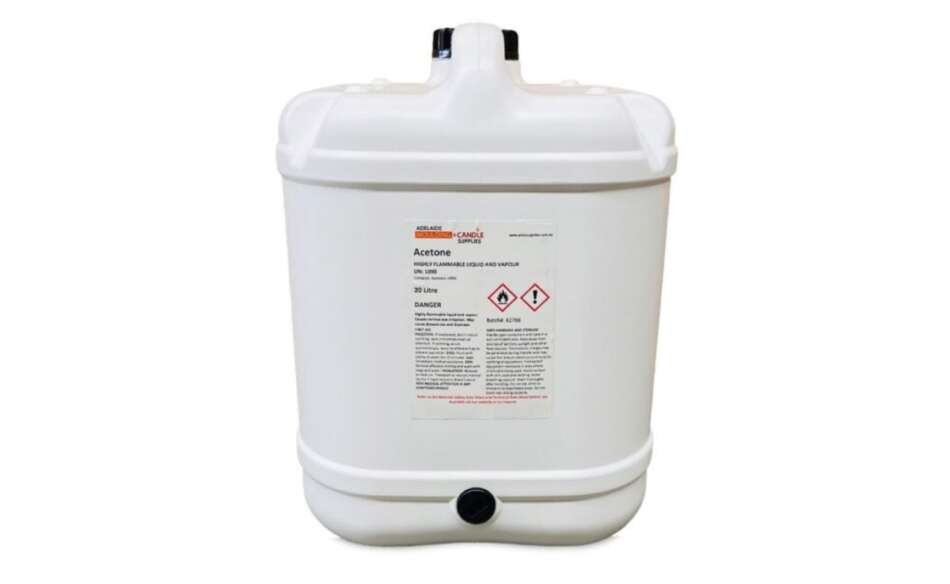

Acetone is one of the most widely used industrial and household solvents in the world. It is a colorless, fast-evaporating liquid known for its excellent cleaning and dissolving properties. From nail polish removers to laboratory applications and manufacturing industries, acetone plays a crucial role in various sectors.
If you’ve ever wondered what acetone is, how it works, and where it is used, this guide covers everything you need to know.
What Is Acetone?
Acetone is an organic chemical compound with the molecular formula C₃H₆O. It belongs to a group of chemicals called ketones and is one of the simplest and most effective solvents available.
Acetone naturally occurs in small amounts in the human body during fat metabolism, but commercially it is produced for industrial and commercial applications.
Key Properties of Acetone
- Clear and colorless liquid
- Fast evaporation rate
- Highly effective solvent
- Miscible with water
- Strong but recognizable odor
- Leaves little residue after evaporation
These characteristics make acetone suitable for cleaning, manufacturing, laboratories, and cosmetic products.
Common Uses of Acetone
1. Nail Polish Remover
The most familiar use of acetone is removing nail polish. It dissolves polish quickly without excessive rubbing, making it a preferred ingredient in professional nail salons.
2. Industrial Cleaning
Manufacturing companies use acetone to remove oils, grease, adhesives, paint residue, and contaminants from machinery and metal surfaces before production.
3. Paint and Coating Industry
Acetone is widely used as a solvent in:
- Paint thinners
- Lacquers
- Varnishes
- Coatings
- Resins
It helps improve application consistency while speeding up drying time.
4. Laboratory Applications
Research laboratories use acetone for cleaning glassware, preparing chemical solutions, and drying equipment due to its rapid evaporation.
5. Plastic Manufacturing
Many plastic products rely on acetone during manufacturing because it dissolves specific polymers and assists in production processes.
6. Electronics Industry
Technicians use acetone to clean electronic components and remove residues during assembly and repair.
